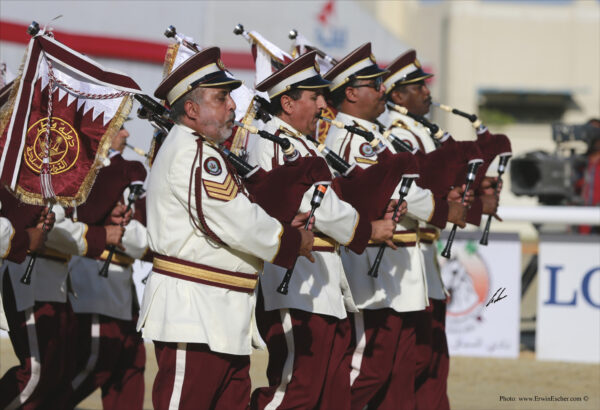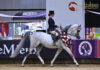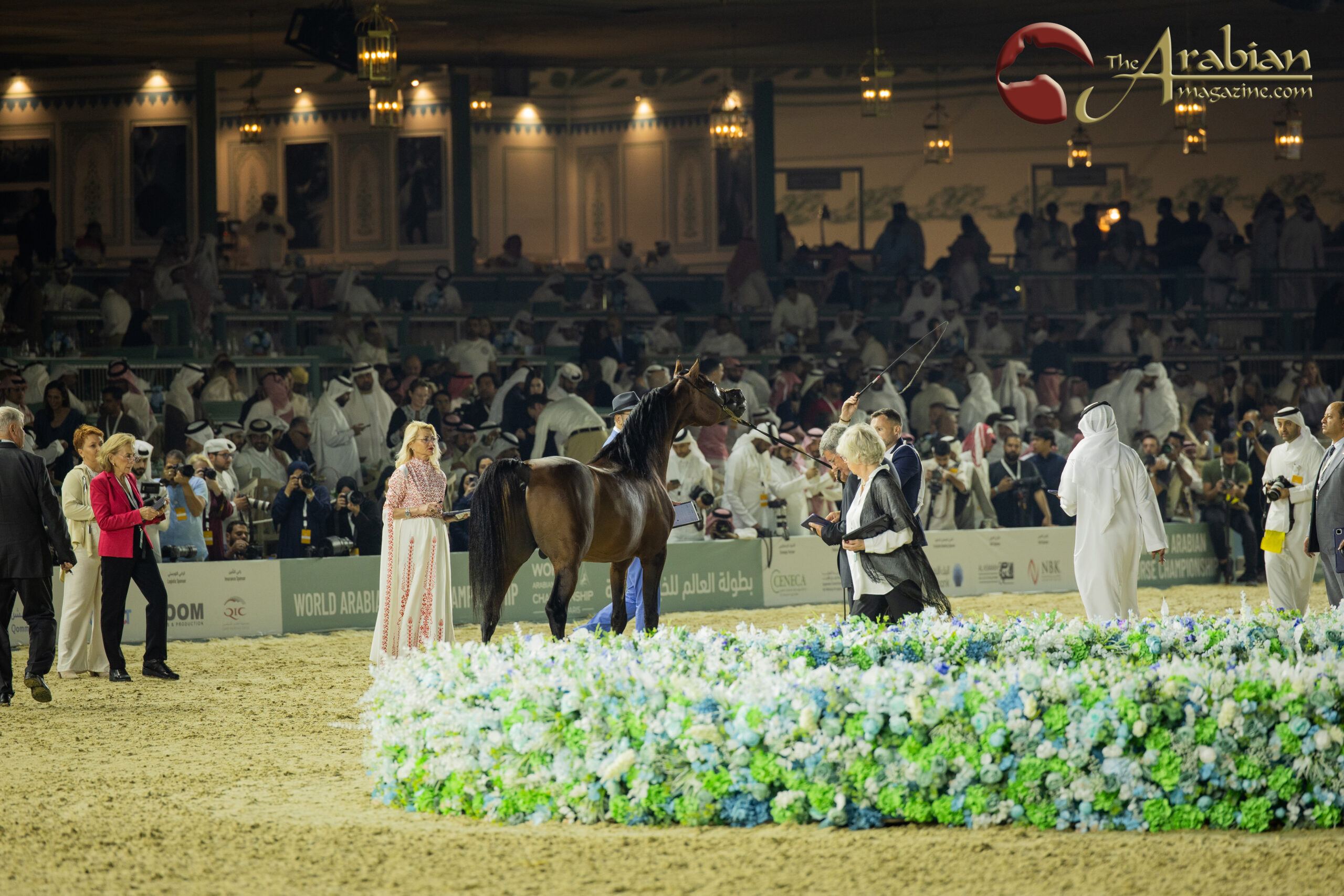
In Qatar, Arabian horse shows are more than competitions. They are expressions of heritage, identity, and tradition that continue to shape cultural life today.
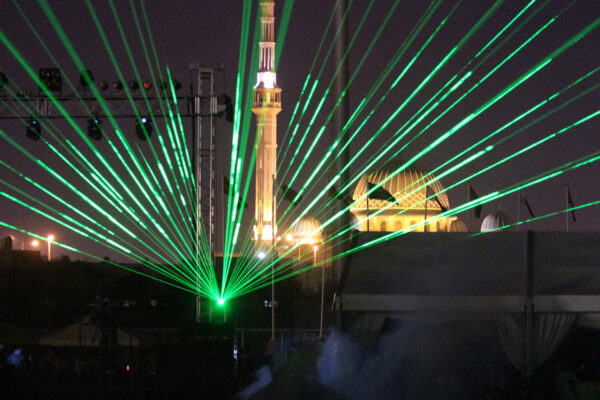
While much of the global conversation around Arabian horses centres on breeding, bloodlines, and performance, a new perspective is beginning to emerge. This perspective shifts attention toward the people who attend these events and the experiences they seek.
Recent research conducted by Rouda Al-Meghaiseeb, a graduate of Hamad Bin Khalifa University, where she completed her Master of Science in Sport and Entertainment Management, explores this very question. Her study examines spectatorship within Arabian horse shows, offering a fresh lens through which to understand these events as a form of heritage sport.
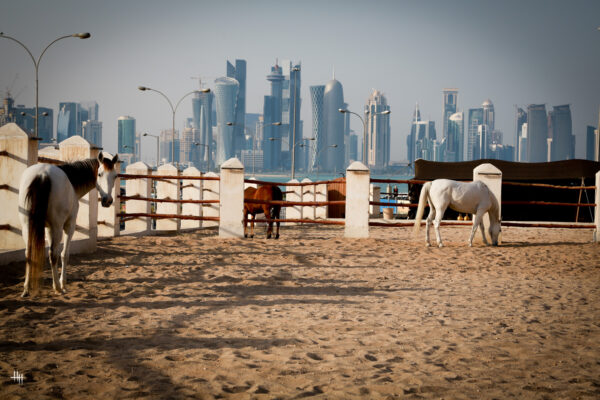
For all their cultural and global significance, Arabian horse shows have received surprisingly little academic attention when it comes to understanding the spectator experience. This research begins to address that gap.
Importantly, the study moves beyond the traditional equestrian audience. Rather than focusing solely on horse owners, breeders, or industry insiders, Al-Meghaiseeb centres on spectators who are not directly involved in the competition itself. Through sixteen in-depth interviews, the research seeks to understand what motivates individuals, often with little prior connection to equestrian sport, to attend these events.
This perspective is particularly significant. Arabian horse shows are often perceived as niche environments tied to specialised communities. By focusing on a broader audience, the research explores how these events can resonate beyond their immediate ecosystem and attract more diverse spectators.
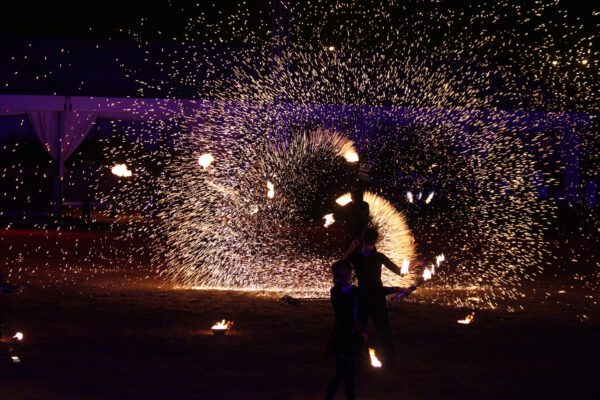
The findings reveal that, for many attendees, the decision to attend is shaped less by knowledge of the competition and more by social and relational factors. Invitations from friends and family frequently serve as the entry point, positioning attendance as a shared, socially embedded experience rather than an individual pursuit.
Once inside, the nature of engagement shifts. Unlike traditional sporting environments defined by intensity and competition, Arabian horse shows are characterised by a calm, refined atmosphere. The experience unfolds through a combination of aesthetic appreciation, social interaction, and sensory elements, from the elegance of the horses to the cultural setting in which they are presented.
In this context, spectatorship becomes layered. The horses remain central, yet they exist within a broader experiential environment that includes hospitality, design, and cultural expression. For some attendees, this reflects a deep connection to heritage and identity. For others, it is the atmosphere and the opportunity to engage in a distinctive social space that holds the greatest appeal.
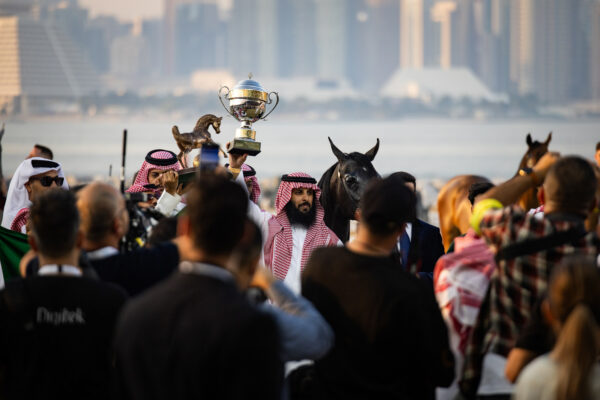
Prestige also emerges as a defining feature. Arabian horse shows are often associated with exclusivity and refinement, shaping both the composition of the audience and the nature of the experience. The curated environment, combined with the presence of distinguished guests, contributes to a setting where attendance carries symbolic meaning beyond the event itself.
What makes these findings particularly compelling is their practical implications. By understanding how non-specialist audiences experience these events, the research highlights pathways through which Arabian horse shows can expand their reach and appeal. Rather than relying solely on existing equestrian communities, organisers can design experiences that resonate with wider audiences by emphasising atmosphere, social interaction, and cultural storytelling.
For some attendees, the experience extends beyond a single visit. Initial exposure to Arabian horse shows can spark a deeper interest, encouraging individuals to return, learn more about the horses, and in some cases, engage more actively with the equestrian world. In this sense, attendance can act as a gateway, transforming casual spectators into more involved participants over time.
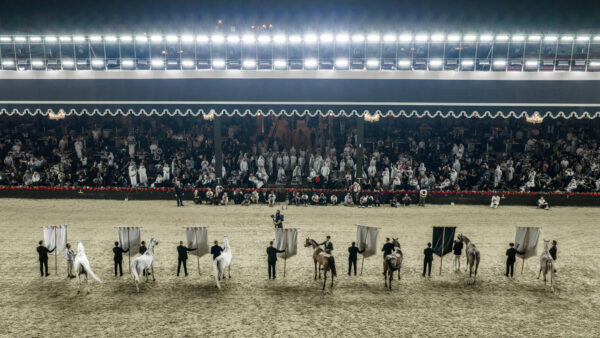
The research ultimately positions Arabian horse shows as a distinct category within sport. It is one where heritage, aesthetics, and social life intersect. It introduces a way of understanding spectatorship not as a function of competition alone, but as a process shaped by identity, prestige, and lived experience.
In a rapidly evolving global landscape, such insights underscore the importance of preserving and evolving heritage sport in ways that remain accessible and engaging. Arabian horse shows continue to serve as more than a display of excellence. They remain spaces where tradition is experienced, shared, and reinterpreted by new audiences.
Rouda Al-Meghaiseeb recently completed her Master of Science in Sport and Entertainment Management at Hamad Bin Khalifa University. Her research focuses on spectatorship, identity, and experiential engagement within heritage sport contexts.